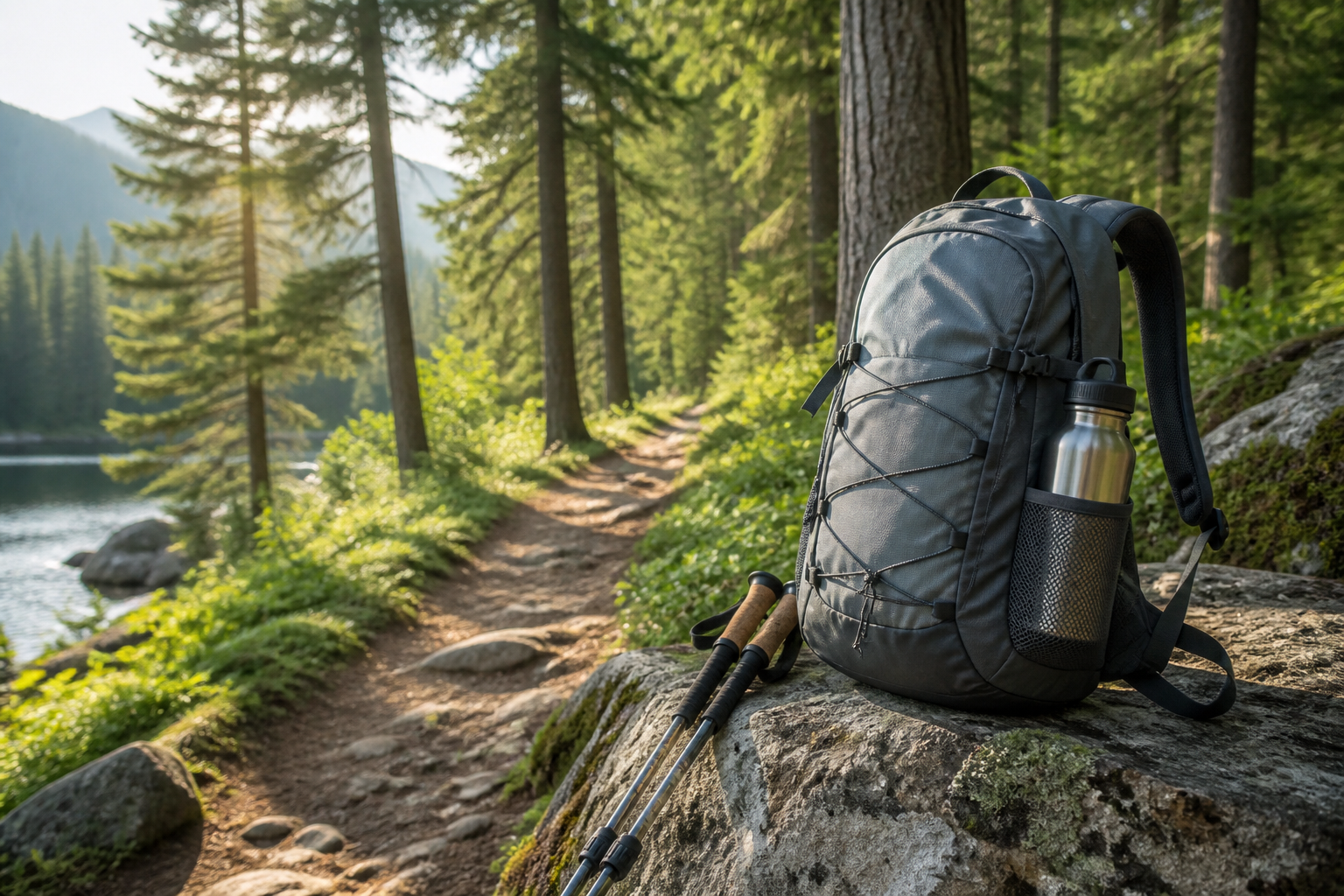
A hiking daypack should carry water, layers, food, navigation tools, and basic emergency supplies without feeling unstable. Fit and load organization matter more than carrying the largest possible volume.
What to Consider
Compare torso fit, shoulder straps, hip support, ventilation, hydration compatibility, pocket access, fabric durability, and rain protection. The right capacity depends on weather, route length, and personal equipment.
Practical Buying Checklist
- Try the pack with realistic weight inside.
- Check shoulder and sternum strap adjustment.
- Keep water and frequently used items accessible.
- Use compression straps to stabilize the load.
- Carry weather and emergency essentials for the route.
Value and Long-Term Use
Compare the complete cost of ownership, including replacement parts, accessories, cleaning, storage, and warranty support. Read current specifications and retailer policies before ordering because availability, pricing, and features can change.
Affiliate disclosure: Best Finds may earn a commission from qualifying purchases made through affiliate links, at no additional cost to you.